.jpg)
How Multilingual Subtitles Help Your Brand Break Into International Markets?
- ⏰ March-18-2026 |
- ✍️ By Admin |
- 🏷️ In Captioning
You made a great video. The editing is clean. The message is clear. It’s doing well locally.
Then you push it to international markets. And nothing happens.
No engagement. No clicks. Ads go nowhere.
You might think the audience isn’t ready, but that’s not the case. The audience is there - they just can’t understand what’s being said.
This is a common problem. Good content. Wrong language. A simple problem, but it kills international growth faster than anything else.
Multilingual subtitles fix this problem. No reshooting or large budgets needed - just make your existing video accessible to global audiences. Key takeaway: Subtitles open doors to new viewers without extra production work.
Why Do Most International Video Strategies Fall Flat?
The Math Nobody Talks About
English speakers are about 20% of the world’s population.
That means 80% of people online - people who buy things, follow brands, watch videos every day - can’t engage with your content right now.
People in Brazil, Indonesia, Egypt, Japan, and Mexico. They’re all on the same platforms you’re posting on. They’re just scrolling past your videos because they don’t understand them.
Professional video subtitling services remove these language barriers. The same video in new languages reaches completely new audiences. Key takeaway: Subtitling quickly expands your potential reach without remaking content.
What Subtitles Actually Are?
Quick clarification - subtitles are not dubbing.
Dubbing means new audio, voice actors, and heavy editing. It's expensive and usually unnecessary.
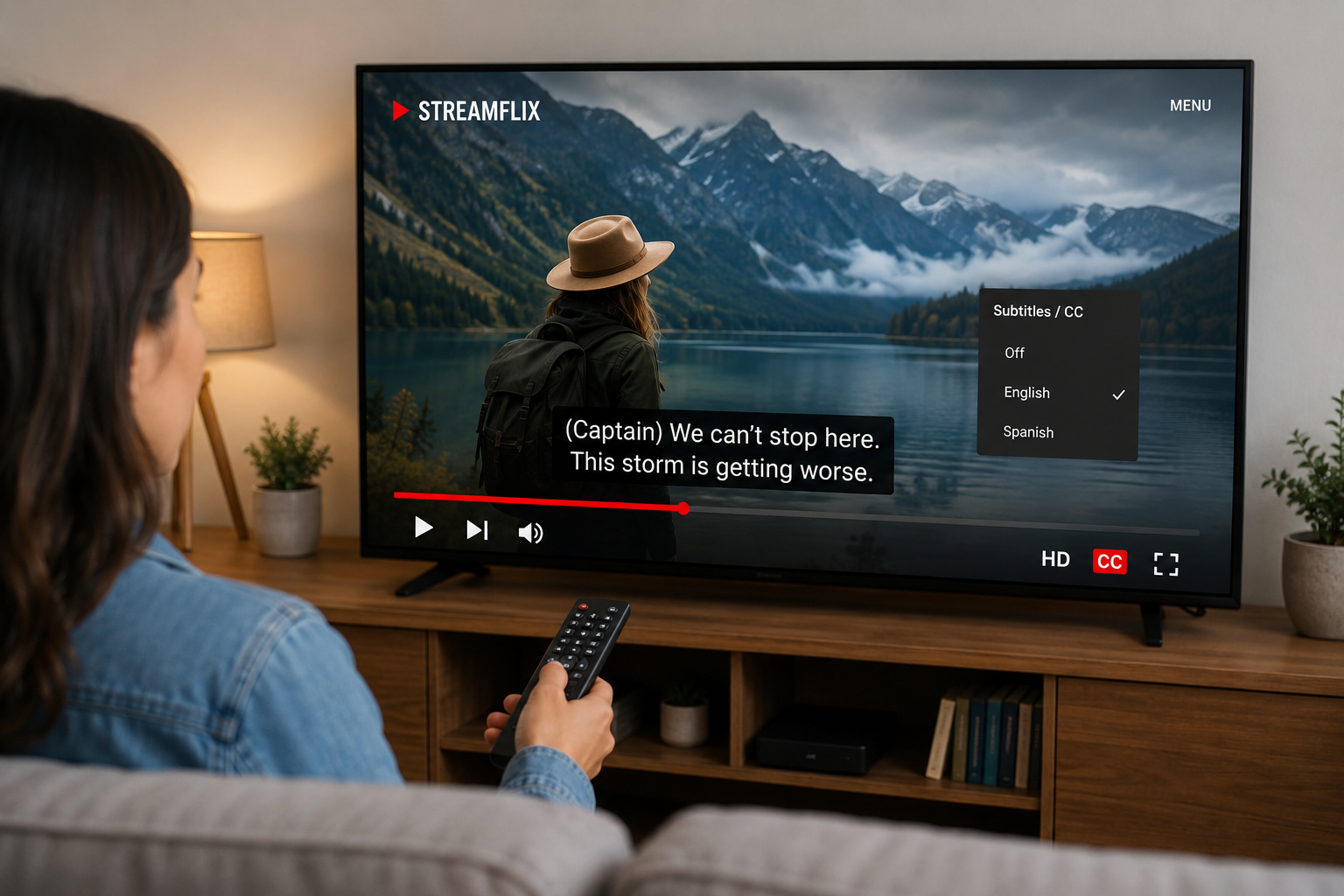
Subtitles are just on-screen translations. Your original audio stays, so your voice, tone, and brand remain.
One video. Multiple markets. Zero reproduction.
What Multilingual Subtitles Do for Your Business?
Watch Time Goes Up
Facebook found that subtitled videos are watched 12% longer than those without subtitles.
That matters because watch time drives distribution. More watch time means platforms push your content further - organically, without extra ad spend.
For viewers watching in a second language, the difference is even bigger. Without subtitles, they drop off in seconds. With them, they follow along, stay watching, and actually absorb the message. Key takeaway: Subtitles significantly increase watch time for international audiences.
You Pick Up Organic Traffic in New Languages
Search engines can’t watch videos. They read text.
Upload a subtitle file, and platforms like YouTube and Google can index real content. That content gets ranked - in whatever language you’ve subtitled it in.
Five languages mean five individual streams of organic search traffic - all from your existing content. Key takeaway: Multilingual subtitles generate multiple sources of organic growth from original videos.
Google’s documentation supports it - transcripts and captions help videos rank in search.
Your Old Content Gets a Second Life
Every video you’ve already published can be subtitled.
Product demos. Testimonials. Webinars. How-to videos. None of it is locked to one language forever.
You've already spent the budget on your videos. Subtitling sends them into new markets without reshooting anything. High return, low effort. Key takeaway: Subtitling existing content is a cost-effective way to reach new audiences.
People Notice When You Made It for Them
It’s difficult to quantify, but it’s a real effect.
When someone in Vietnam, Morocco, or Colombia sees your video subtitled in their language, they feel it. It says, "This brand thought about us."
This builds trust faster than most other tactics, especially in skeptical markets. A small gesture with a big positive signal. Key takeaway: Subtitles foster immediate trust with new international audiences.
Closed Captioning: A Different Need, An Equal Priority
It’s Not the Same as Subtitles
People mix these up all the time. They’re different.
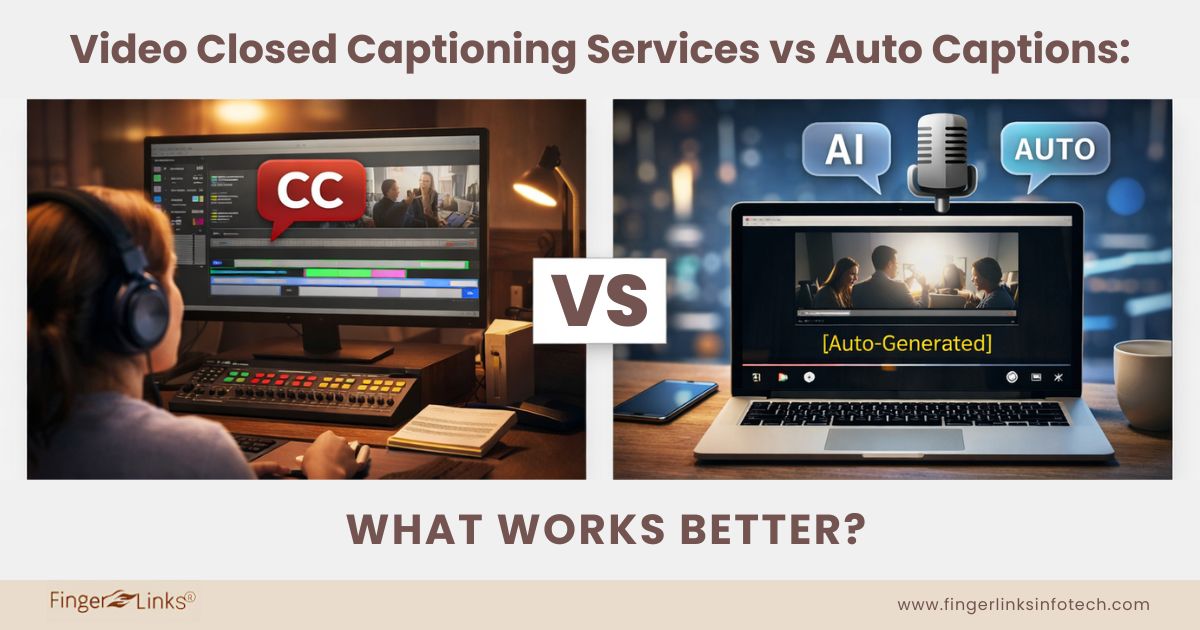
Subtitles translate dialogue for viewers who speak another language. Our closed captioning services go further. They’re built for viewers who are deaf or hard of hearing.
That means capturing background sounds, music, speaker names, and tone not just words. The full picture, in text.
There’s a Legal Side Too
The ADA and FCC require captions for a wide range of video content in the US. The EU has its own rules.
Mistakes here are costly. Address it proactively for better results.
Most Videos Are Already Playing on Mute
Up to 85% of Facebook videos play without sound.
A video without subtitles playing silently in someone’s feed tells them nothing. They see movement. No message. They scroll.
Subtitles fix that. Your content works even when the sound is off. On platforms where video is muted by default, subtitles are essential. Key takeaway: Subtitles ensure your message gets seen everywhere - even on mute.
Why Now Is the Right Time to Start?
These Markets Won’t Stay Open Forever
Southeast Asia, Latin America, the Middle East, and Sub-Saharan Africa - digital consumption is growing fast in all of them. Local-language video content is still undersupplied.
Brands that show up early build recognition before competition gets heavy. Brands that wait end up paying a lot more for the same ground.
Video subtitling services right now are a reach decision and a timing decision. Both matter.
This Part Is Easier Than You Think
No reshoots. No new production budget. No complicated process.
You share the video. We handle translation, syncing, formatting, and delivery. Your content goes global.
Most projects are quicker to start than people expect.
Send Fingerlinks Infotech a message and let's get moving.
Frequently Asked Questions
Q1. What do professional video subtitling services include?
Ans. Translation of your script, syncing text to audio, platform formatting, and file delivery. Good subtitles read naturally - not like a translation, like they were written in that language from the start.
Q2. How are closed captioning services different from subtitles?
Ans. Subtitles translate dialogue into other languages. Closed captions are for viewers who can't hear: they include sound descriptions, speaker labels, and background noise—different purposes, different standards.
Q3. Will subtitles improve my international sales?
Ans. Not overnight. But they remove the barrier that stops it from happening. A viewer who understands your content is far more likely to trust your brand and eventually buy. That’s where it starts.
Q4. Which language should I subtitle first?
Ans. Start with your data points. If analytics show traffic from a specific region, go there. No data? Spanish is a strong first move - it covers Latin America, Spain, and large US audiences. Arabic, French, and Hindi open up massive markets from there.
Q5. Is captioning legally required?
Ans. In many cases, yes. US law under the ADA and FCC covers a wide range of video formats. European markets have their own standards. Requirements are getting stricter, not looser. Better to get it right now than catch up under pressure later.
Q6. How quickly can video subtitling services get done?
Ans. A 10-minute video in one language is typically back in 24 to 48 hours. Multi-language or longer projects take three to five business days. Rush options are available when deadlines are tight.
.jpg)