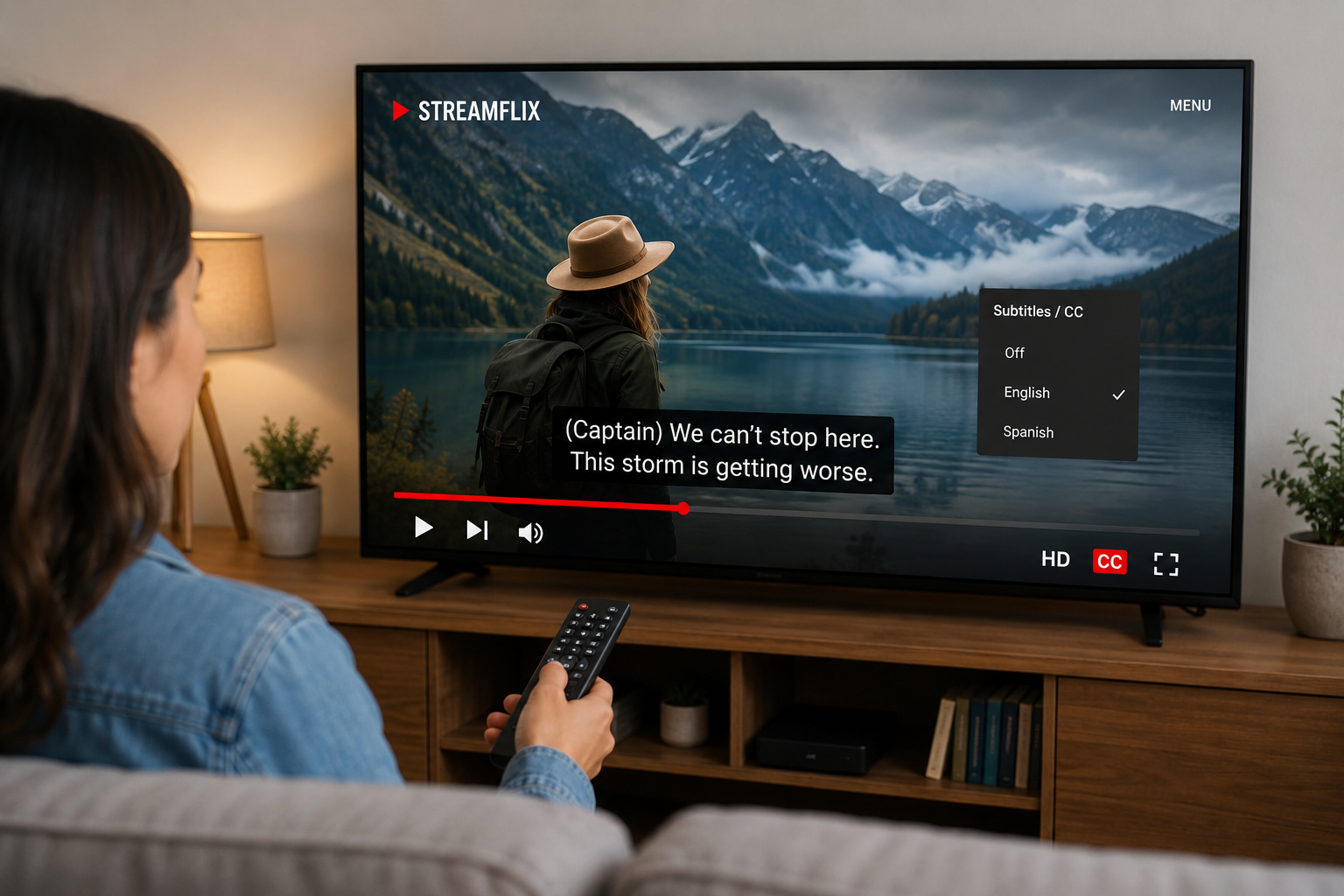
Why Streaming Platforms Depend on Closed Captioning for Accessibility and Engagement?
- ⏰ June-16-2026 |
- ✍️ By Admin |
- 🏷️ In Captioning
Why Streaming Platforms Depend on Closed Captioning for Accessibility and Engagement
Closed captioning has become a fundamental feature for streaming platforms in today's digital entertainment landscape. As millions of viewers consume content through online streaming services, platforms must ensure that their videos are accessible, engaging, and inclusive for diverse audiences. Closed captions play a vital role in achieving these goals by providing text representations of spoken dialogue, sound effects, and other important audio elements within a video.
One of the primary reasons streaming platforms depend on closed captioning is accessibility. For individuals who are deaf or hard of hearing, captions provide equal access to video content, allowing them to understand conversations, follow storylines, and enjoy entertainment without barriers. Accessibility is not only a social responsibility but also a legal requirement in many regions. Regulations and accessibility standards, such as the Americans with Disabilities Act (ADA) and Web Content Accessibility Guidelines (WCAG), encourage content providers to make digital media accessible to all users. By implementing accurate closed captions, streaming platforms can meet compliance requirements while creating a more inclusive viewing experience.
Closed captioning also enhances engagement among general audiences. Many viewers watch videos in environments where audio may not be practical, such as public transportation, offices, libraries, or crowded public spaces. Captions allow users to continue watching content without needing headphones or high volume levels. Similarly, mobile users often watch videos with the sound muted, making captions essential for understanding the content. This convenience helps increase watch time, audience retention, and overall viewer satisfaction.
Another significant advantage of closed captioning is improved comprehension. Viewers can better understand content when captions accompany spoken dialogue, especially when dealing with strong accents, technical terminology, background noise, or fast-paced conversations. Educational videos, documentaries, webinars, and training materials particularly benefit from captions because they help audiences absorb and retain information more effectively. For non-native speakers, captions can also support language learning and improve understanding of unfamiliar words and phrases.
Streaming platforms further benefit from closed captioning through expanded audience reach. By making content accessible to a broader demographic, platforms can attract viewers who might otherwise face challenges consuming video content. This inclusivity helps increase subscriber growth, viewer loyalty, and brand reputation. Companies that prioritize accessibility are often viewed more positively by consumers, demonstrating a commitment to diversity and equal access.
Closed captions can also contribute to content discoverability and search engine optimization (SEO). Since caption files contain text versions of spoken content, search engines can better understand and index video material. This can improve search rankings and help users find relevant content more easily. As competition among streaming services continues to grow, enhanced discoverability becomes a valuable advantage.
In an increasingly digital world, closed captioning is no longer an optional feature—it is a necessity. Streaming platforms depend on captions to improve accessibility, increase engagement, support compliance, enhance comprehension, and expand audience reach. By investing in high-quality captioning solutions, streaming services can create a better viewing experience for all users while strengthening their position in a competitive market. Closed captioning ultimately benefits both viewers and platforms, making it an essential component of modern streaming success.
.jpg)
.jpg)